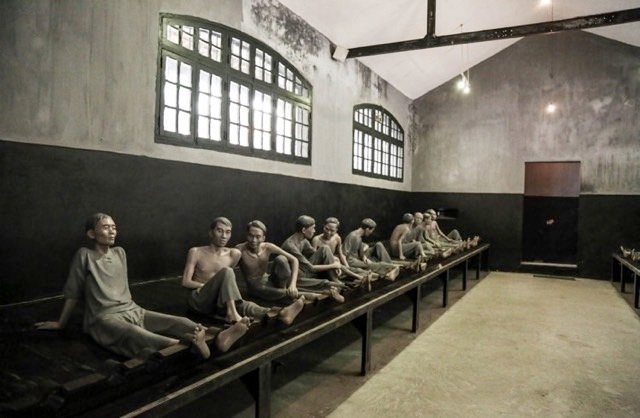
Have you ever found yourself drawn to a place not for its sunny beaches or lively markets, but because of the shadows it casts from history? I remember my first brush with what I’d later learn was dark tourism. It was a chilly autumn day in Poland, and I stood at the gates of Auschwitz, the infamous “Arbeit Macht Frei” sign looming overhead like a grim reminder. The air felt heavy, charged with stories of unimaginable suffering. I wasn’t there for thrills; I wanted to understand how humanity could descend into such darkness and, hopefully, how we might climb out. That visit changed me, sparking a curiosity about why we seek out these somber spots. Dark tourism isn’t just about gawking at tragedy—it’s a complex journey into our shared past, with benefits and pitfalls that deserve a closer look.
Understanding Dark Tourism
Dark tourism, sometimes called thanatourism or grief tourism, involves traveling to locations tied to death, disaster, or human suffering. It’s not a new fad; people have visited battlefields and execution sites for centuries, but the term gained traction in the 1990s thanks to academics like John Lennon and Malcolm Foley. They described it as tourism to places where tragedy leaves an indelible mark, from war zones to natural catastrophe aftermaths. Today, it’s booming, with millions flocking to sites that challenge our comfort zones and force reflection on mortality and morality.
The Definition of Dark Tourism
At its core, dark tourism is about confronting the macabre side of history through travel. It’s defined as visits to sites associated with death and tragedy, where the main draw is their historical significance rather than mere spectacle. Think of it as educational exploration with an emotional edge—places like concentration camps or disaster zones that evoke empathy and introspection. While some see it as morbid curiosity, others view it as a vital way to honor the past and learn from it.
A Brief History of Dark Tourism
This practice dates back to ancient times—Romans watched gladiators fight to the death in the Colosseum, and medieval folks attended public executions. But modern dark tourism kicked off in the 19th century with pilgrimages to battlefields like Waterloo or Gettysburg. The 20th century amplified it with World Wars and genocides, turning sites like Hiroshima into memorials. In recent decades, media like documentaries and shows such as “Chernobyl” have fueled interest, making these spots more accessible and popular than ever.
Famous Dark Tourism Destinations Around the World
From eerie abandoned cities to solemn memorials, dark tourism sites span the globe, each telling a unique story of loss and resilience. These places aren’t just tourist traps; they’re portals to understanding human frailty and strength. I’ve wandered through a few, and each left me with a mix of sorrow and hope—reminders that even in darkness, there’s room for light.
Auschwitz-Birkenau, Poland
This former Nazi concentration camp draws over two million visitors yearly, standing as a stark testament to the Holocaust’s horrors. Walking through the barracks and gas chambers, you can’t help but feel the weight of six million lives lost. It’s a place for remembrance, where personal stories etched in exhibits bring history alive in a haunting way.
Chernobyl Exclusion Zone, Ukraine
The site of the 1986 nuclear meltdown remains a ghost town, frozen in time with abandoned buildings and radiation warnings. Guided tours let you explore the reactor and Pripyat city, offering a chilling glimpse into technological failure’s consequences. Nature’s reclaiming the area adds an ironic beauty to the tragedy.
Hiroshima Peace Memorial Park, Japan
Dedicated to the atomic bomb victims of 1945, this park features the iconic A-Bomb Dome and museums detailing the blast’s devastation. It’s a call for peace, with origami cranes symbolizing hope amid the ruins. Visiting here stirs deep emotions, urging reflection on war’s futility.
Ground Zero and 9/11 Memorial, New York
The site of the World Trade Center attacks now hosts reflecting pools inscribed with victims’ names, honoring nearly 3,000 lost lives. The museum’s artifacts, like twisted steel beams, recount that fateful day. It’s a space for mourning and unity, blending sorrow with stories of heroism.
Killing Fields of Choeung Ek, Cambodia
This memorial to Khmer Rouge genocide victims displays skulls in a stupa, amid mass graves where thousands perished. It’s a sobering reminder of Pol Pot’s regime, evoking empathy for survivors. The site’s audio tours share personal tales, making the horror feel painfully real.
Here’s a quick comparison of these sites:
| Site | Location | Historical Event | Visitor Experience | Annual Visitors (Approx.) |
|---|---|---|---|---|
| Auschwitz-Birkenau | Poland | Holocaust | Guided tours, exhibits | 2 million+ |
| Chernobyl | Ukraine | Nuclear disaster | Radiation checks, abandoned exploration | 100,000+ |
| Hiroshima Peace Memorial | Japan | Atomic bombing | Museums, peace ceremonies | 1.5 million |
| Ground Zero | USA | 9/11 attacks | Memorial pools, museum | 6 million |
| Killing Fields | Cambodia | Khmer Rouge genocide | Stupa with remains, audio guides | 300,000 |
Why People Engage in Dark Tourism
What pulls us to these grim locales? It’s not always about morbidity; often, it’s a quest for deeper meaning. I once met a fellow traveler at Ground Zero who came to connect with his lost uncle’s memory—it was cathartic, not creepy. Dark tourism satisfies our innate curiosity about the human condition, blending education with emotional release.
Common Motivations for Dark Tourists
Curiosity tops the list—wanting to see history up close. Then there’s education, learning lessons from past mistakes. Some seek empathy, feeling connected to victims’ stories. Others chase nostalgia or even horror, like a safe adrenaline rush. Motivations vary, but they often lead to personal growth.
- Curiosity and Novelty: Exploring the unusual satisfies our adventurous side.
- Educational Pursuit: Gaining insights into history prevents repeating errors.
- Empathy and Remembrance: Honoring victims fosters compassion.
- Personal Connection: For descendants or survivors, it’s about heritage.
- Thrill-Seeking: A dash of macabre excitement, though ethically tricky.
The Pros of Dark Tourism
On the bright side—pun intended—dark tourism can be a force for good. It educates, preserves, and even heals communities. When done right, it turns tragedy into teaching moments, like how visiting Robben Island in South Africa highlights apartheid’s end and Mandela’s triumph. It’s not all doom and gloom; there’s real value here.
Educational Benefits
These sites offer raw, unfiltered history lessons that books can’t match. They promote awareness, encouraging visitors to advocate against injustice. For instance, Auschwitz tours emphasize “never again,” sparking global conversations on human rights.
Economic Advantages for Local Communities
Tourism brings revenue, creating jobs in guiding, hospitality, and preservation. Devastated areas like post-Katrina New Orleans used it to rebuild economies. It diversifies income sources, helping communities recover while honoring their past.
Preservation of Historical Sites
Visitor fees fund maintenance, ensuring sites like Pompeii endure. This safeguards cultural heritage, turning forgotten ruins into protected landmarks. Without tourism, many might crumble into oblivion.
Emotional and Psychological Pros
It fosters empathy, helping process collective trauma. Some find closure, like Holocaust descendants visiting camps. Humor aside, it’s oddly therapeutic—confronting darkness can make everyday light feel brighter.
Pros List:
- Boosts education and historical awareness.
- Generates economic growth and jobs.
- Aids site preservation and cultural heritage.
- Promotes empathy and personal reflection.
- Encourages peace and anti-violence advocacy.
The Cons of Dark Tourism
But let’s not sugarcoat it—dark tourism has its shadows. It can exploit suffering, turning pain into profit. I recall seeing tourists snapping selfies at the Killing Fields, and it felt wrong, like disrespecting a graveyard. The line between remembrance and voyeurism is thin, and crossing it risks trivializing horror.
Ethical Concerns and Exploitation
Commodifying tragedy raises questions: Are we profiting from pain? Sites with gift shops can feel tacky, exploiting victims for souvenirs. It might desensitize us, making real suffering seem like entertainment.
Negative Impact on Local Communities
For locals, constant reminders of trauma can reopen wounds. Over-tourism strains resources, like in Chernobyl where radiation risks persist. It might distort history, focusing on sensationalism over nuance.
Risk of Desensitization
Repeated exposure could numb us to atrocity’s gravity. What starts as education might become thrill-seeking, banalizing evil. Plus, inappropriate behavior—like laughing at somber sites—disrespects memories.
Practical Drawbacks
Safety issues abound, from unstable ruins to ongoing conflicts. Costs can be high, and emotional toll heavy—some leave feeling drained rather than enlightened.
Cons List:
- Potential for exploitation and disrespect.
- Emotional strain on survivors and locals.
- Desensitization to human suffering.
- Safety and health risks at sites.
- Over-commercialization diluting meaning.
Ethical Guidelines for Dark Tourists
Navigating dark tourism ethically means respecting the site’s gravity. Research beforehand, choose respectful tours, and behave mindfully—no selfies in gas chambers. Support local-led initiatives to ensure benefits stay community-focused. It’s about learning with humility, not consuming tragedy.
How to Visit Responsibly
Opt for guided tours by knowledgeable locals. Dress modestly, stay silent where appropriate. Donate to preservation if possible. Reflect on your intent: Is it curiosity or connection? Small acts make a big difference in honoring the past.
Comparison: Dark Tourism vs. Traditional Tourism
Dark tourism stands apart from sunny vacations, focusing on reflection over relaxation. Here’s a table comparing them:
| Aspect | Dark Tourism | Traditional Tourism |
|---|---|---|
| Focus | History, tragedy, education | Leisure, culture, adventure |
| Emotions | Sorrow, empathy, introspection | Joy, excitement, relaxation |
| Benefits | Awareness, preservation | Economic boost, fun |
| Drawbacks | Ethical issues, emotional drain | Overcrowding, environmental impact |
| Examples | Auschwitz, Chernobyl | Eiffel Tower, Bali beaches |
This highlights how dark tourism complements traditional trips, offering depth where others provide escape.
People Also Ask
Based on common searches, here are answers to frequent questions about dark tourism.
What Are Some Examples of Dark Tourism?
Beyond Auschwitz and Chernobyl, consider Pompeii’s volcanic ruins or Rwanda’s genocide memorials. Each offers unique insights into disaster’s aftermath.
Is Dark Tourism Ethical?
It can be, if approached respectfully. The key is intent—education over exploitation. Many sites use proceeds for good, but always prioritize sensitivity.
Why Is Dark Tourism Becoming Popular?
Media exposure, like HBO’s “Chernobyl,” sparks interest. Plus, in a connected world, we seek meaningful experiences beyond superficial travel.
What Are the Negative Effects of Dark Tourism?
It risks commodifying suffering, causing local distress, and promoting insensitive behavior. Over-visitation can degrade sites too.
How Does Dark Tourism Affect Mental Health?
For some, it’s cathartic; for others, traumatic. It can build resilience through empathy but might trigger anxiety—know your limits.
FAQ
What is the difference between dark tourism and thanatourism?
Thanatourism is a subset focusing specifically on death-related sites, while dark tourism encompasses broader tragedies like disasters.
Where can I find the best dark tourism tours?
Look for reputable operators on sites like Viator or TripAdvisor. For Auschwitz, book official museum guides; for Chernobyl, certified radiation-safe tours. [Internal link: Best Dark Tourism Guides]
What tools or apps help plan dark tourism trips?
Apps like Dark Tourism (unofficial) list sites, or use Google Maps for locations. Books like “Dark Tourism” by Lennon and Foley provide in-depth planning. [External link: Amazon – Dark Tourism Book]
Is dark tourism suitable for families?
It depends on age and sensitivity. Older kids might benefit educationally, but graphic sites like killing fields could be too intense—opt for milder ones like memorials.
How can I monetize a dark tourism blog?
Focus on affiliate links for tours, AdSense-friendly content, and SEO with keywords like “dark tourism pros and cons.” Ensure ethical, value-driven posts for approval.
In wrapping up, dark tourism isn’t for everyone, but it holds power to educate and empathize. My Auschwitz visit lingered, reminding me history isn’t just facts—it’s feelings. Weigh the pros like learning and economic aid against cons like exploitation. If you go, do so thoughtfully; it might just illuminate your world.
Leave a Reply