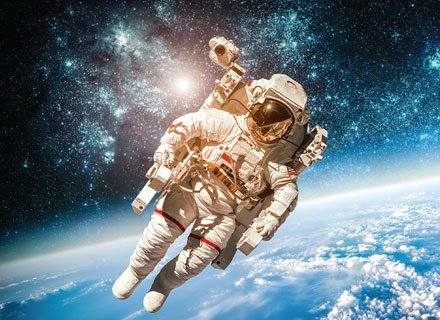
Imagine booking a ticket not for a beach getaway, but for a quick jaunt above Earth’s atmosphere—weightless, staring at the blue marble below, feeling like you’ve slipped into a sci-fi dream. I’ve always fantasized about that moment, the rush of liftoff, the quiet awe of space. But as someone who’s followed space stories since watching shuttle launches as a kid, I know it’s not all glamour; real dangers lurk in the void, and protecting travelers is the key to turning this dream into a safe reality for everyone.
What is Space Tourism?
Space tourism lets everyday people—well, those who can afford it—experience the cosmos, from suborbital hops offering minutes of weightlessness to orbital stays circling Earth. It’s not just for astronauts anymore; companies are making it accessible, blending adventure with cutting-edge tech. But with excitement comes responsibility, ensuring these trips don’t end in tragedy.
Types of Space Tourism Experiences
Suborbital flights, like those from Virgin Galactic or Blue Origin, give you a taste of space without a full orbit, lasting about an hour with breathtaking views. Orbital tourism, pioneered by SpaceX, means days in space, docking at stations or free-flying. Lunar or beyond? That’s the next frontier, but for now, it’s mostly dreams.
Who Can Become a Space Tourist?
You don’t need a PhD in rocket science—just good health, training, and a hefty wallet. Early tourists like Dennis Tito in 2001 paved the way, showing civilians can handle it with prep. Today, it’s about passing medical checks to mitigate risks like heart strain or bone loss.
The Thrill and the Perils: Understanding the Risks
Every great adventure has its shadows, and space tourism is no exception; think of it as skydiving but with cosmic radiation instead of just wind. From launch mishaps to long-term health effects, these perils remind us why safety isn’t optional. Let’s break them down without the doom and gloom—knowledge is your best shield.
Health Hazards in Microgravity
Your body loves gravity; without it, fluids shift, causing puffy faces and queasy stomachs—space sickness hits about half of travelers. Muscles weaken, bones lose density, and vision can blur from pressure changes. Short trips minimize this, but longer ones? It’s like aging in fast-forward, demanding post-flight rehab.
Radiation Exposure: The Invisible Threat
Space lacks Earth’s protective blanket, so radiation from solar flares or cosmic rays bombards you, raising cancer risks over time. A quick suborbital jaunt might add just a bit more than a transatlantic flight, but orbital stays? Doses could exceed yearly limits for Earth workers, potentially causing DNA damage or infertility. Shielding and monitoring are crucial.
Launch and Reentry Dangers
Rockets are controlled explosions—thrilling, but one glitch could spell disaster, like engine failures or structural breaks. Reentry heats things up to thousands of degrees; remember Columbia’s tragic breakup? Modern designs aim to prevent that, but the fatality rate hovers around 3%, higher than extreme sports.
- Short-term effects: Motion sickness, disorientation.
- Long-term risks: Increased cancer odds, immune system dips.
- Psychological strains: Isolation in a tin can far from home can stir anxiety or cabin fever.
Pros of Facing These Risks:
- Pushes human limits, inspiring innovation.
- Personal growth from conquering fears.
Cons:
- High personal danger, potential for loss of life.
- Cumulative health issues that linger post-trip.
Current Safety Measures in Space Tourism
Companies aren’t winging it; they’ve built layers of protection, from rigorous testing to emergency protocols, turning potential catastrophes into manageable hiccups. It’s like having a parachute for your parachute—overkill? Maybe, but it saves lives. As the industry grows, these measures evolve, learning from every flight.
Vehicle Design and Redundancy
Spacecraft boast multiple backups: extra engines, abort systems that can whisk you to safety mid-launch. Blue Origin’s New Shepard, for instance, has an escape capsule that deploys automatically if things go south. Materials withstand extreme heat, and simulations catch flaws before real flights.
Crew Training and Medical Screening
Tourists aren’t just passengers; they train like pros, learning emergency drills and basic ops. Medical exams weed out vulnerabilities—think heart checks or bone scans. It’s not foolproof, but it caught issues for some early applicants, preventing mid-space crises.
Onboard Life Support Systems
Oxygen recyclers, fire suppression, and radiation monitors keep the cabin livable. FAA mandates these for licensed ops, ensuring smoke detectors and suppressants are standard. Humorously, it’s like a high-tech RV—cozy, but with zero room for error.
Regulatory Landscape: Who’s Watching Over Us?
Governments aren’t hands-off; bodies like the FAA oversee U.S. ops, balancing innovation with safety through licenses and informed consent. It’s a evolving framework, much like early aviation regs that prevented chaos in the skies. Without it, space could become a wild west.
FAA’s Role in Commercial Spaceflight
The FAA licenses launches, requiring life support, crew training, and public safety proofs. A moratorium on occupant-specific regs ends soon, potentially ushering in stricter standards by 2028. It’s about learning from flights before clamping down.
International Agreements and Challenges
Treaties like the Outer Space Treaty hold nations liable for private activities, but enforcement varies. No global body yet polices tourism uniformly, leading to calls for UN-level standards to ensure equitable safety.
Informed Consent: Signing Away Risks
Tourists acknowledge dangers via waivers—no government certification guarantees safety. It’s blunt: “This could kill you,” but it empowers choice while shielding companies legally.
| Aspect | FAA Oversight | International Treaties |
|---|---|---|
| Focus | Launch/reentry safety, crew quals | State liability, peaceful use |
| Strengths | Detailed licensing, evolving metrics | Broad principles for cooperation |
| Gaps | Moratorium on occupant regs until 2028 | Lacks specifics for tourism |
Innovations in Protecting Space Travelers
Tech wizards are dreaming up shields against space’s nasties, from AI-monitored health to advanced suits. Remember how smartphones revolutionized daily life? Similar leaps could make space safer than driving. These innovations aren’t just cool—they’re lifesavers.
Advanced Radiation Shielding
New materials like polyethylene block rays better than metal, while magnetic fields mimic Earth’s protection. Pharma research counters effects with drugs, turning a peril into a managed annoyance.
AI and Real-Time Monitoring
Algorithms predict issues, from heart flutters to cabin leaks, alerting crews instantly. It’s like having a doctor in your pocket—er, suit—ensuring quick responses.
Sustainable Life Support Advances
Closed-loop systems recycle air and water, reducing resupply needs. Bigelow’s inflatable habitats offer more space with built-in shielding, promising comfy orbital hotels.
Environmental Considerations: Sustainability in Space
Space tourism isn’t green; rockets spew black carbon, nibbling at the ozone faster than planes. It’s ironic—escaping Earth to see its beauty, yet harming it. Balancing thrill with eco-responsibility is key for long-term viability.
Impact on Earth’s Atmosphere
Launches could deplete ozone by 1% if scaled up, worsening climate woes. Reusable rockets like SpaceX’s cut waste, but frequency matters.
Space Debris and Orbital Congestion
More flights mean more junk orbiting, risking collisions. Mitigation includes deorbit plans and tracking tech.
Green Propulsion Alternatives
Hybrid fuels or electric options promise cleaner blasts, though still nascent. It’s a step toward guilt-free stargazing.
Pros of Sustainable Practices:
- Preserves space for future gens.
- Boosts public support.
Cons:
- Higher initial costs.
- Tech hurdles slow rollout.
Preparing for Your Space Journey: What Travelers Need to Know
If you’re eyeing that ticket, prep like it’s the adventure of a lifetime—because it is. From fitness routines to insurance, it’s about smart choices. I recall a friend training for a marathon; space prep is that, but with anti-gravity twists.
Physical and Mental Preparation
Build cardio, strength, and flexibility; simulations help with disorientation. Mental resilience training combats isolation—think yoga in zero-G.
Insurance and Legal Protections
Policies cover accidents, but read fine print—some exclude “inherent risks.” Waivers are standard, but push for transparency.
Where to Book and What to Expect
Companies like Virgin Galactic offer suborbital for $450K; SpaceX for orbital millions. Expect training camps, medicals, and that unforgettable view.
- Best tools for planning: Apps like Space.com for updates, FAA site for regs.
- Navigational tips: Check company safety records via NTSB analogs.
People Also Ask
Drawing from real Google queries, here’s what folks wonder about space tourism safety.
Is space tourism safe?
It’s safer than early aviation but riskier than commercial flights; fatality rates are about 3%, with companies prioritizing redundancies.
What are the risks of space travel?
Radiation, microgravity health effects, and launch failures top the list; preparation mitigates many.
Do space tourists understand the risks?
Many sign informed consent, but experts question full comprehension without strict regs.
How are space tourists protected?
Through FAA licensing, vehicle designs, and training; international treaties add layers.
FAQ
How can space tourists minimize health risks?
Undergo thorough medical screening and follow company training; post-flight monitoring helps too.
What regulations protect space travelers?
FAA requires informed consent and basic safety systems; a full framework may come post-2028 moratorium.
Is space tourism environmentally sustainable?
Not yet—emissions harm ozone, but reusables and green tech are improving it.
Where can I learn more about space tourism safety?
Check NASA resources for health studies or FAA sites for regs; books like “The Future of Space Tourism” offer insights.
What’s the best company for safe space travel?
SpaceX has a strong track record with Crew Dragon; compare via independent reviews.
As space tourism blasts off, protecting travelers isn’t just smart—it’s essential for humanity’s stellar future. We’ve come far since Tito’s trip, but stories like the Inspiration4 crew’s safe return show what’s possible with care. Let’s keep pushing boundaries, but always with safety nets in place.
Leave a Reply