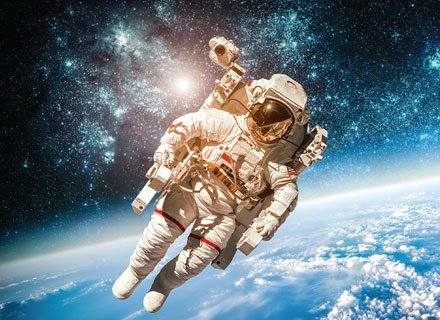
Imagine gazing down at Earth from the edge of space, that thin blue line curving against the endless black, feeling like you’re part of something bigger than yourself. I remember as a kid, staring up at the stars from my backyard in Lahore, wondering if I’d ever get closer. Fast forward to 2026, and space tourism isn’t just a dream—it’s knocking on our door. Companies are gearing up to make civilian trips to space a reality, blending adventure with cutting-edge tech. This article dives into the world of space tourism companies, exploring what they offer, how to get involved, and what the future holds. Whether you’re curious about suborbital jaunts or orbital vacations, these pioneers are reshaping travel forever.
What is Space Tourism?
Space tourism lets everyday people—well, those with the means—experience spaceflight for fun or inspiration, not just science or military purposes. It’s about strapping in for a ride beyond Earth’s atmosphere, feeling weightlessness, and seeing our planet from afar. Think of it as the ultimate bucket-list item, combining thrill-seeking with a touch of existential awe.
From short hops that kiss the edge of space to longer stays in orbit, space tourism covers a range of experiences. It’s evolved from government-led missions to private ventures, making it more accessible than ever. But it’s not without challenges, like high costs and safety concerns, which we’ll unpack later.
The Evolution of Space Tourism
Space tourism kicked off in the early 2000s with wealthy adventurers hitching rides on Russian rockets to the International Space Station. Dennis Tito became the first space tourist in 2001, paying millions for the privilege. It felt like a novelty back then, but it planted the seed for today’s boom.
Fast forward to the 2020s, and private companies have taken the reins. Breakthroughs in reusable rockets and spacecraft have slashed costs and boosted reliability. By 2026, we’re seeing regular suborbital flights and plans for orbital hotels, turning science fiction into schedules.
What started as elite escapades is inching toward mainstream appeal. I once chatted with a friend who booked a hot-air balloon ride for a taste of high-altitude views—it made me think how space could become the next big thing in experiential travel.
Leading Space Tourism Companies
Several trailblazers are dominating the scene, each with unique approaches to getting you off the ground. From suborbital joyrides to full orbital adventures, these firms are competing to define the industry. Let’s break them down.
Virgin Galactic: Suborbital Pioneer
Virgin Galactic, founded by Richard Branson, focuses on suborbital flights using their VSS Unity spaceplane. You launch from a carrier aircraft, rocket up to about 80 kilometers, float in zero gravity for a few minutes, then glide back. It’s like a rollercoaster on steroids, with stunning Earth views.
By 2026, they’re ramping up with their Delta-class ships, aiming for more frequent flights and research missions. I love how they make it feel glamorous—think luxury lounges at the spaceport. If you’re after a quick taste of space without orbiting, this is your ticket.
Blue Origin: Bezos’ Vision for the Stars
Jeff Bezos’ Blue Origin offers suborbital trips via the New Shepard rocket, blasting you to over 100 kilometers for that authentic astronaut feel. The capsule provides panoramic windows for unbeatable sights, and the whole thing lasts about 11 minutes. It’s automated, so no pilot needed—just pure adrenaline.
They’re expanding with New Glenn for orbital capabilities, but tourism remains core. Picture floating weightless while sipping on a (non-alcoholic) drink—Blue Origin emphasizes comfort and reusability to drive down prices over time.
SpaceX: Orbital Adventures Await
Elon Musk’s SpaceX takes it further with orbital flights using the Crew Dragon capsule. You’ve seen their NASA missions; now they’re opening doors for civilians. Trips can last days, circling Earth multiple times, offering extended microgravity and ISS visits via partners like Axiom Space.
In 2026, expect more private missions, potentially including lunar flybys with Starship. It’s not just tourism—it’s immersion. I recall watching their Inspiration4 mission; it inspired me to think about how space could unite us all.
Emerging Players: New Kids on the Cosmic Block
Don’t overlook upstarts like Space Perspective with their balloon-lifted capsules for gentle ascents to 30 kilometers—more stratospheric than space, but with cocktail hours and Wi-Fi. Or World View, similar vibe but focused on extended floats for research and leisure.
Then there’s Deep Blue Aerospace from China, pushing reusable rockets for affordable access. These companies add diversity, from budget-friendly edges-of-space experiences to ambitious orbital hotels by Orbital Assembly. It’s exciting to see global innovation heating up.
How Space Tourism Works
At its core, space tourism involves pre-flight training, launch, in-space experience, and safe return. You start with medical checks and simulations to handle G-forces and zero-G. For suborbital, it’s a quick up-and-down; orbital means docking or free-flying.
Rockets or spaceplanes propel you beyond the atmosphere—suborbital hits 80-100 km, orbital 400 km plus. Safety protocols are rigorous, with escape systems and redundancies. It’s thrilling, but preparation makes it manageable, even for non-astronauts.
I once tried a zero-G flight simulator; the disorientation was wild, but the euphoria? Unmatched. Companies ensure you’re ready, turning novices into spacefarers.
Costs and Accessibility: Where to Get Started
Space tourism isn’t cheap yet—Virgin Galactic tickets run around $450,000, Blue Origin similar or auction-based, while SpaceX orbital jaunts hit tens of millions. But prices are dropping as tech improves and competition grows.
For entry points, book through company sites like virgingalactic.com or blueorigin.com. Emerging options like Space Perspective start at $125,000, making it slightly more reachable. Check our guide to space travel bookings for tips.
Accessibility is improving with lotteries and partnerships, but it’s still elite. Someday, though, it could be like flying first-class—exclusive but attainable.
Pros and Cons of Space Tourism
Space tourism sparks debate. On one hand, it drives innovation; on the other, environmental worries loom. Here’s a balanced look.
Pros
- Boosts economy: Creates jobs in aerospace, from engineers to tour guides at spaceports.
- Advances science: Funds research in microgravity, benefiting medicine and materials.
- Inspires generations: Seeing civilians in space motivates kids toward STEM, much like Apollo did for my parents’ era.
- Promotes global unity: Shared views of Earth foster environmental awareness and peace.
Cons
- Environmental impact: Rocket launches emit pollutants, contributing to climate change.
- High risks: Space is unforgiving; accidents could set back the industry.
- Inequality: Only the wealthy can afford it now, widening the gap between haves and have-nots.
- Space debris: More flights mean more junk orbiting Earth, posing collision hazards.
Humorously, it’s like complaining about traffic while dreaming of your own car—progress has pains, but the payoff could be cosmic.
Comparison of Top Space Tourism Companies
Choosing a company? Here’s a table breaking down key players based on flight type, cost, duration, and unique features. Data as of 2026.
| Company | Flight Type | Approx. Cost | Duration | Unique Selling Point |
|---|---|---|---|---|
| Virgin Galactic | Suborbital | $450,000 | 90 minutes | Spaceplane glide, luxury experience |
| Blue Origin | Suborbital | $200K-$1M | 11 minutes | Automated capsule, panoramic views |
| SpaceX | Orbital | $55M+ | Days/Weeks | ISS visits, extended microgravity |
| Space Perspective | Stratospheric | $125,000 | 6 hours | Gentle balloon ride, onboard bar |
This comparison highlights suborbital for quick thrills versus orbital for depth. For best tools, check simulators from NASA’s resources or company apps.
Future Developments in Space Tourism
By the 2030s, expect orbital hotels like Voyager Station, spinning for artificial gravity with gyms and cinemas. Companies are eyeing lunar tours and Mars previews, with reusable tech making it sustainable.
Regulations will evolve, ensuring safety while fostering growth. I get chills thinking about my grandkids vacationing in space—it’s not if, but when.
Challenges like radiation and life support persist, but innovations in shielding and closed-loop systems are advancing rapidly.
People Also Ask
Drawing from common queries on Google, here are answers to what folks are wondering about space tourism.
What Companies Offer Space Tourism?
Top ones include Virgin Galactic for suborbital, Blue Origin for quick hops, SpaceX for orbits, and emerging like Axiom Space for ISS stays. Each caters to different adventure levels.
How Much Does Space Tourism Cost?
It varies: $125,000 for balloon rides, up to $55 million for orbital. Costs are falling, but still a premium experience.
Is Space Tourism Safe?
Safer than ever with modern tech, but risks like launch failures exist. Companies prioritize redundancies; think of it as extreme sports with better odds.
When Will Space Tourism Be Affordable?
Predictions say by 2040, with mass production and competition driving prices down to airline levels—fingers crossed!
What Are the Environmental Impacts?
Launches produce emissions, but greener fuels are in development. It’s a trade-off for broader benefits.
FAQ
How Do I Prepare for a Space Tourism Trip?
Start with fitness assessments, then training on G-forces and emergencies. Companies provide tailored programs—it’s like boot camp meets vacation prep.
What Destinations Are Available in Space Tourism?
Currently, suborbital views of Earth or orbital laps around the planet. Future: Moon flybys or space stations. Check spacex.com for updates.
Are There Age Limits for Space Tourists?
Most require 18+, but no upper limit if healthy. Dennis Tito was 60—age is just a number in zero-G!
Can Space Tourism Help the Environment?
Indirectly, yes—overview effect inspires conservation. But direct emissions are a con; sustainable tech is key.
Where Can I Learn More About Space Tourism?
Dive into books like “The Overview Effect” or sites like nasa.gov. Our space exploration basics is a great start.
In wrapping up, space tourism companies are indeed just over the horizon, promising to expand our worldviews—literally. From my stargazing days to today’s launches, it’s a journey of human ingenuity. Whether you book a ticket or cheer from afar, this era invites us all to look up and dream big. Who knows? Your next vacation might be out of this world.
Leave a Reply