Welcome to WordPress. This is your first post. Edit or delete it, then start writing!
Category: Dark Tourism
-
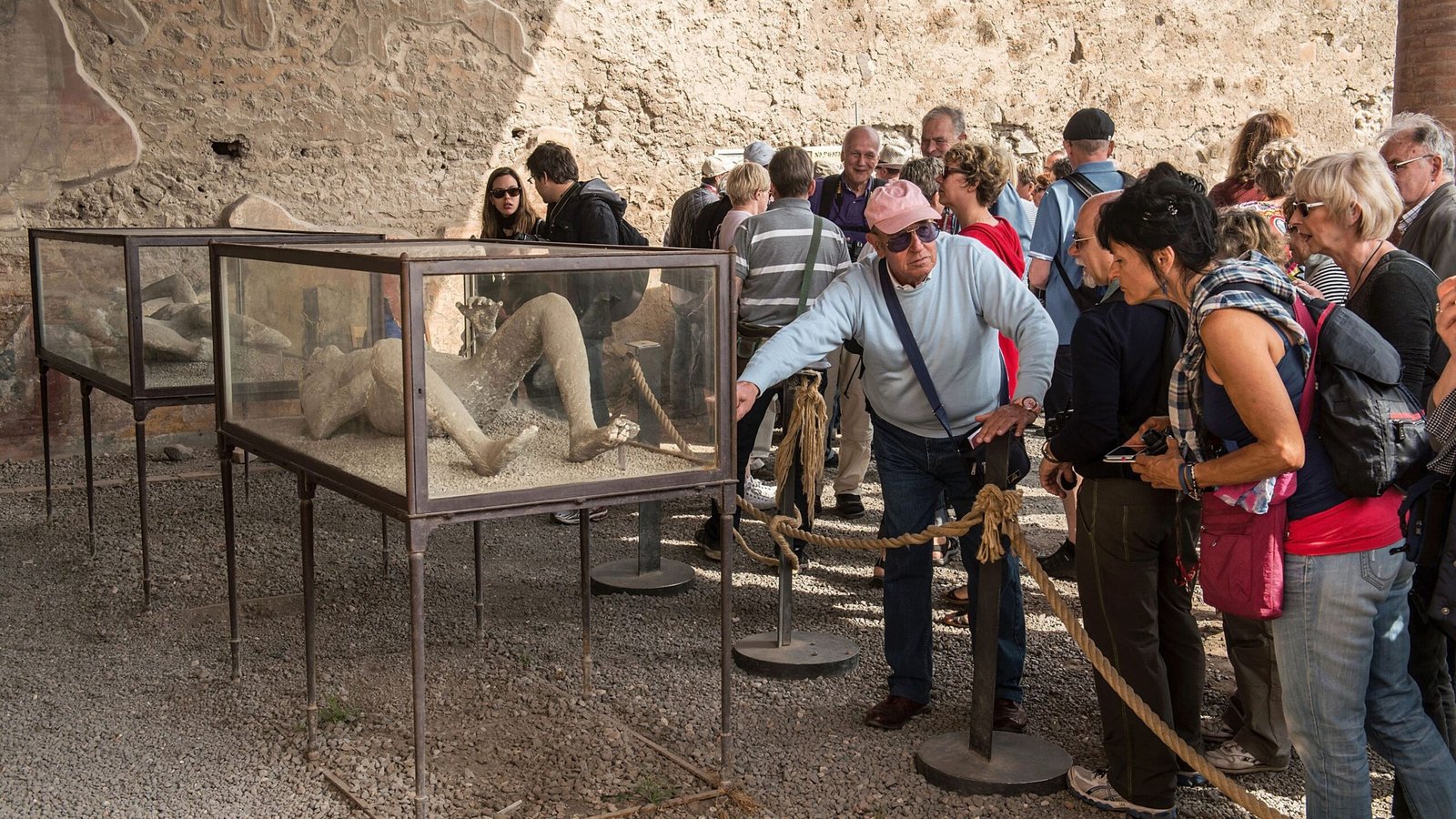
Is Dark Tourism OK? Exploring the Ethics and Appeal of Visiting Tragic Sites
Have you ever stood at the gates of Auschwitz, staring at that twisted iron sign mocking “Arbeit Macht Frei,” and felt a chill that wasn’t just from the wind? I did, years ago on a backpacking trip through Europe. The place hit me like a gut punch—rows of barracks stretching into the fog, stories of unimaginable horror echoing in every step. It’s the kind of experience that sticks with you, making you question humanity. But is it right to go there as a tourist? That’s the heart of dark tourism: traveling to spots tied to death, disaster, or suffering. Some call it morbid curiosity; others see it as a way to learn and remember. In this deep dive, we’ll unpack if it’s truly OK, weighing the good against the grim, with real examples and tips to do it respectfully.
What is Dark Tourism?
Dark tourism, sometimes called thanatourism or grief tourism, involves visiting places linked to tragedy, death, or human suffering. Think concentration camps, battlefields, or disaster zones—sites that remind us of our darkest chapters. It’s not about thrill-seeking like a haunted house; it’s often driven by a desire to understand history up close.
This trend has grown massively, with millions flocking to spots like Chernobyl or Ground Zero each year. But it’s not new—people have been drawn to these places for centuries, from Roman gladiatorial games to 19th-century battlefield tours. Today, it’s big business, blending education with reflection, though it sparks debates on respect and exploitation.
The History of Dark Tourism
The roots of dark tourism stretch back to ancient times, like crowds gathering for public executions or battles in the Roman Colosseum. By the 1800s, sites like Waterloo became hotspots for visitors wanting to relive wars. It wasn’t until 1996 that academics John Lennon and Malcolm Foley coined “dark tourism” while studying JFK assassination sites.
In the 20th century, world wars amplified it—think Hiroshima’s Peace Memorial drawing crowds post-1945. The term caught on as travel boomed, with the internet making obscure tragedies accessible. Now, shows like “Chernobyl” on HBO spike visits, turning history into must-see destinations.
Modern Rise of Dark Tourism
Social media has fueled the surge, with influencers sharing eerie photos from abandoned towns or memorials. But it’s more than clicks; a 2024 study showed 83% of Americans have visited a dark site unknowingly, like the 9/11 Memorial. This blend of curiosity and education keeps it growing.
Famous Examples of Dark Tourism Sites
From Europe to Asia, dark tourism spots vary in tone—some somber museums, others raw ruins. Auschwitz-Birkenau in Poland tops the list, where over 1.1 million perished in WWII. Visitors walk through gas chambers and see haunting artifacts, a stark reminder of the Holocaust.
Chernobyl in Ukraine draws adventurers to its radioactive ghost town, Pripyat, abandoned after the 1986 nuclear meltdown. Guided tours show overgrown Ferris wheels and crumbling schools, blending danger with history. In the U.S., Ground Zero’s 9/11 Memorial honors nearly 3,000 lives lost, with waterfalls cascading into voids where towers stood.
Lesser-Known Dark Tourism Spots
Beyond the big names, places like Rwanda’s genocide memorials at Murambi display preserved remains to educate on the 1994 atrocities. Or Japan’s Hiroshima Peace Memorial, where the Atomic Bomb Dome stands as a skeletal warning against nuclear war. These sites offer intimate glimpses into forgotten pains.
In Cambodia, the Tuol Sleng Genocide Museum, once a prison under the Khmer Rouge, holds photos of victims—over 17,000 tortured there. It’s gut-wrenching, but locals say it helps heal by sharing stories. Similarly, the Sedlec Ossuary in Czechia, with bones artfully arranged into chandeliers, mixes macabre art with mortality.
The infamous “Arbeit Macht Frei” gate at Auschwitz, a chilling entry to one of history’s darkest chapters.
Dark Tourism Sites Around the World: A Comparison
Dark sites differ by type—war, disaster, or crime—and their management. For instance, Auschwitz focuses on education with guided tours, while Chernobyl emphasizes safety with radiation checks. Here’s a quick comparison:
Site Location Type Visitor Experience Annual Visitors Auschwitz-Birkenau Poland Genocide/War Somber tours, exhibits of personal items Over 2 million Chernobyl/Pripyat Ukraine Nuclear Disaster Guided hikes through ruins, Geiger counters Around 100,000 Ground Zero USA Terrorism Reflective pools, museum artifacts 10 million+ Hiroshima Peace Memorial Japan Atomic Bomb Dome ruins, peace messages 1.5 million Tuol Sleng Cambodia Genocide Victim photos, torture rooms 500,000 This table shows how sites balance remembrance with tourism—some free, others ticketed for preservation.
An aerial view of Birkenau’s vast barracks, where fog and silence amplify the site’s eerie scale.
The Pros of Dark Tourism
One big upside is education—visiting these places makes history tangible. I once chatted with a guide at Hiroshima who shared survivor stories; it humanized stats I’d read in books. Sites like these teach empathy, showing how atrocities happen and why we must prevent them.
Economically, they boost local areas. Chernobyl tours employ Ukrainians, funding cleanup and community revival. In Rwanda, memorial visits support survivors’ groups, turning pain into progress. Plus, it preserves sites—tourism dollars maintain museums, ensuring stories aren’t forgotten.
Emotional and Personal Benefits
On a personal level, dark tourism sparks reflection. A friend visited Ground Zero and said it shifted her worldview, fostering gratitude and resilience. It can heal too—descendants of victims find closure, while others confront mortality in a profound way.
The Cons of Dark Tourism
The flip side? Exploitation. Some sites feel like “death Disneylands,” with souvenir shops selling tacky keychains near graves. In Chernobyl, influencers pose for selfies amid ruins, disrespecting the 1986 tragedy that killed thousands and displaced more.
It can retraumatize locals. After Grenfell Tower’s 2017 fire in London, gawkers snapped photos, ignoring grieving families. Ethically, it’s tricky—does paying to see suffering commodify pain? And safety risks, like radiation in Fukushima, add another layer of concern.
Negative Impacts on Communities
Overcrowding strains sites; Auschwitz sees crowds that dilute solemnity. Culturally, it might stereotype places—think Cambodia forever tied to Khmer Rouge horrors, overshadowing its vibrant present. Without care, it turns empathy into voyeurism.
Pros and Cons of Dark Tourism: At a Glance
Weighing both sides helps decide if it’s OK. Here’s a balanced list:
Pros:
- Educates on history and prevents repetition.
- Boosts local economies through jobs and revenue.
- Preserves sites and honors victims.
- Fosters personal growth and empathy.
- Supports community healing and awareness.
Cons:
- Risks exploitation and commercialization.
- Can disrespect victims and retraumatize locals.
- Encourages inappropriate behavior like selfies.
- Poses safety hazards in unstable areas.
- May sensationalize tragedy over education.
This pros/cons breakdown shows it’s not black-and-white—intent matters most.
Another haunting shot of Auschwitz’s entrance, symbolizing the site’s role in global remembrance.
Ethical Considerations in Dark Tourism
Is dark tourism ever truly ethical? It depends on approach. Critics argue it’s voyeuristic, turning real pain into entertainment. But proponents say respectful visits honor the dead, like Berlin’s Holocaust Memorial, which educates without glamour.
Timing plays a role—rushing to fresh disasters, like post-Katrina New Orleans, feels insensitive. Yet, after time, it can aid recovery. The key? Balance education with sensitivity, avoiding profit-driven gimmicks that trivialize suffering.
The Role of Intent and Behavior
Your mindset matters. Going to learn versus thrill-seek? A study found most visitors seek understanding, not morbidity. But bad apples—think selfies at memorials—ruin it. Ethical dark tourism demands humility, listening to local voices.
How to Visit Dark Tourism Sites Ethically
If you’re drawn to these places, do it right. Research beforehand—understand the history to appreciate context. Choose guided tours from reputable operators; they provide depth and support locals, like Young Pioneer Tours in offbeat spots.
Behave respectfully—no photos where banned, dress modestly, stay quiet. Engage with communities; buy from local vendors or donate to memorials. After, reflect—journal or discuss to process emotions.
Best Tools and Resources for Ethical Visits
Planning tools help. Apps like Visit a City map dark sites with tips. Books such as “Dark Tourist” by Dom Joly offer insights. For bookings, sites like GetYourGuide list ethical tours. Where to start? Auschwitz via official museum site for authentic experiences.
People Also Ask: Common Questions About Dark Tourism
Drawing from real Google searches, here’s what folks wonder:
- What is dark tourism? It’s travel to sites of death or tragedy, like battlefields or prisons, for education or reflection.
- Is dark tourism ethical? It can be, if done respectfully—focusing on learning, not spectacle. But poor behavior makes it problematic.
- What are examples of dark tourism? Auschwitz, Chernobyl, 9/11 Memorial, Hiroshima, and Rwanda’s genocide sites top the list.
- Why do people visit dark tourism sites? Motivations include curiosity, education, empathy, or confronting mortality—often to better understand humanity.
- How has dark tourism evolved? From ancient executions to modern media-driven visits, it’s boomed with social media and shows like “Chernobyl.”
These questions highlight the mix of intrigue and concern surrounding the topic.
FAQ: Answering Your Burning Questions
What makes a site a dark tourism destination?
Any place tied to death, disaster, or suffering qualifies—like war memorials or accident sites. It’s about the historical weight, not just spookiness.
Is dark tourism safe?
Mostly yes, but risks vary. Chernobyl requires guides for radiation; avoid unstable areas. Always check travel advisories.
How can I find ethical dark tourism tours?
Look for operators prioritizing education and local involvement, like those certified by tourism boards. Read reviews for respectful vibes.
Does dark tourism help or hurt communities?
It can help by funding preservation and jobs, but hurt if it exploits or overcrowds. Community-led sites often benefit most.
Why is dark tourism controversial?
Debates center on commodifying tragedy—turning pain into profit. But many argue it’s vital for remembrance and learning.
Wrapping Up: Is Dark Tourism Really OK?
Back to that rainy day at Auschwitz—I left changed, more aware of hatred’s dangers and humanity’s resilience. Dark tourism isn’t inherently wrong; it’s a tool for growth when handled with care. It educates, preserves, and connects us to the past, but only if we approach with respect, not as spectators but as students. If you’re tempted, go thoughtfully—learn the stories, honor the lives, and maybe share a bit of light in the darkness. After all, remembering the bad helps us build the good.
-
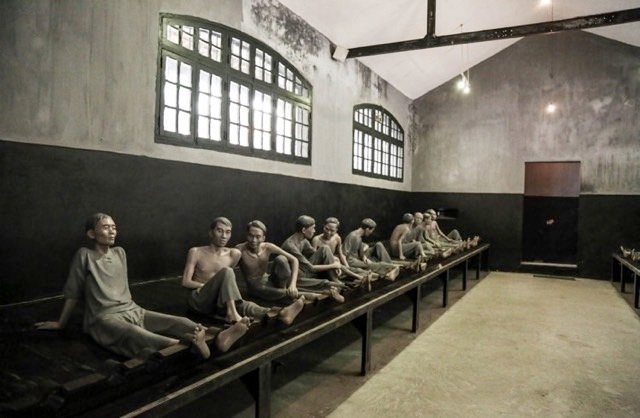
What is Dark Tourism? And What Are the Pros and Cons?
Hey there, fellow traveler. Picture this: you’re standing in the shadow of ancient ruins, but instead of basking in golden sunlight like at the Acropolis, you’re gazing at the remnants of a tragedy that shook the world. That’s the essence of dark tourism—it’s not your typical beach vacation, but it sticks with you long after you’ve unpacked. I’ve chased sunsets in paradise, but some of my most profound trips involved places tied to humanity’s darker chapters. Let’s dive into what dark tourism really is, why it draws us in, and the ups and downs that come with it.
Defining Dark Tourism
Dark tourism, sometimes called thanatourism, is all about visiting sites linked to death, suffering, or disaster. Think battlefields, prisons, or memorials to atrocities—places where history’s pain lingers. It’s not new; people have flocked to gladiator arenas or public executions for centuries, but the term caught on in the 1990s. For me, it’s like flipping through a family’s old photo album—the good, the bad, and the heartbreaking all in one.
Origins of the Term
The phrase “dark tourism” was coined by academics John Lennon and Malcolm Foley back in 1996. They saw it as a way to describe our pull toward spots of depravity or disaster. Before that, it was just folks satisfying curiosity about the macabre. It’s evolved now, blending education with that eerie thrill.
Types of Dark Tourism
There’s a spectrum here—from grief tourism (visiting gravesites) to disaster tourism (post-catastrophe spots like post-Katrina New Orleans). War tourism covers battlefields, while poverty tourism peeks into slums. Each type stirs different emotions, but all force us to confront uncomfortable truths.
- Grief tourism: Honoring the dead at cemeteries or memorials.
- Disaster tourism: Exploring areas hit by natural or man-made calamities.
- War tourism: Touring sites of conflict, like Normandy beaches.
- Genocide tourism: Visiting places like Auschwitz to remember mass atrocities.
Famous Dark Tourism Sites Around the World
From Europe to Asia, these spots draw millions, each telling a story of loss and resilience. I’ve wandered some, like the silent halls of Anne Frank’s house, feeling the weight of history. They’re not just attractions; they’re lessons etched in stone and soil.
Here’s a table of top dark tourism sites, with locations and why they’re significant:
Site Location Key Significance Auschwitz-Birkenau Poland WWII concentration camp; memorial to Holocaust victims. Chernobyl Exclusion Zone Ukraine Site of 1986 nuclear disaster; abandoned city of Pripyat. Hiroshima Peace Memorial Japan Atomic bomb site; promotes peace and nuclear disarmament. Killing Fields (Choeung Ek) Cambodia Khmer Rouge genocide memorial with mass graves. Ground Zero (9/11 Memorial) USA Tribute to victims of the September 11 attacks. Robben Island South Africa Prison where Nelson Mandela was held; symbol of apartheid struggle. Pompeii Italy Ancient city buried by volcanic eruption; frozen in time. Tuol Sleng Genocide Museum Cambodia Former prison during Khmer Rouge regime. Berlin Wall Memorial Germany Remnant of Cold War division; stories of escape and loss. Rwanda Genocide Memorials (e.g., Murambi) Rwanda Sites preserving evidence of 1994 genocide. These aren’t theme parks; they’re raw reminders. If you’re planning a trip, check out resources like the Institute for Dark Tourism Research for deeper insights.
The Appeal of Dark Tourism
Why do we seek out sorrow when vacations are meant for joy? It’s that human itch for understanding—the “why” behind tragedies. I once stood at Ground Zero, tears mixing with rain, realizing how fragile peace is. It connects us to the past, sparking empathy in ways sunny beaches never could.
Motivations Behind Visiting Dark Sites
Curiosity tops the list, but it’s layered. Some go for education, others for remembrance. Survivor guilt or nostalgia pulls those connected personally. And yeah, a dash of horror thrill, like watching a scary movie but in real life.
- Curiosity: The unknown draws us, like moths to a flame.
- Education: Learning history firsthand beats textbooks.
- Empathy: Feeling others’ pain builds compassion.
- Remembrance: Honoring the lost keeps memories alive.
- Nostalgia: Revisiting personal or cultural histories.
Pros of Dark Tourism
On the bright side—pun intended—dark tourism packs benefits that ripple out. It educates, preserves history, and even boosts economies hit hard by tragedy. When done right, it’s a force for good, turning pain into purpose.
Economic Boost for Communities
Tourism dollars flow in, creating jobs and funding rebuilding. In places like Chernobyl, guides are locals sharing their stories, turning loss into livelihood. It’s not exploitation if it empowers survivors.
Educational Value
Nothing hits like seeing artifacts of suffering. It fosters awareness, preventing history’s repeat. Kids visiting Hiroshima learn peace’s price, carrying that forward.
Preservation of History
Sites get maintained through visitor fees. Without tourism, many memorials might crumble. It’s a way to keep stories alive for generations.
Fostering Empathy and Reflection
Walking in victims’ footsteps? Humbling. It builds global understanding, reducing prejudices. I’ve left sites changed, more grateful for my own life.
Pros List:
- Generates revenue for affected areas.
- Promotes cultural heritage and education.
- Encourages reflection on human rights.
- Supports local jobs in guiding and hospitality.
- Raises awareness of global issues like war or disasters.
Cons of Dark Tourism
But it’s not all uplifting. Dark tourism can veer into the unethical, commodifying tragedy for profit. I’ve seen tourists snapping selfies at solemn spots, and it feels wrong—like turning grief into entertainment.
Risk of Exploitation
Some sites prioritize thrills over truth, sensationalizing pain. It’s like profiting off others’ misery, desensitizing visitors to real suffering.
Emotional Toll on Visitors
Not everyone’s ready for the heaviness. It can trigger anxiety or trauma. I remember a friend breaking down at a genocide memorial—powerful, but draining.
Disrespectful Behavior
Loud laughs or inappropriate photos? Common pitfalls. It dishonors the dead and offends locals.
Commodification of Tragedy
When history becomes a “must-see” attraction, authenticity fades. Souvenir shops at solemn sites? Tacky and tone-deaf.
Cons List:
- Potential for superficial, thrill-seeking visits.
- Exploitation of sensitive histories for profit.
- Desensitization to real-world atrocities.
- Negative impact on local communities if not managed well.
- Ethical dilemmas around timing and sensitivity.
Ethical Considerations in Dark Tourism
Treading this line? Tricky. Is it learning or lurking? I ponder this every time I book a ticket. Ethics demand respect—acknowledge suffering without amplifying it. Communities should lead, not outsiders.
Balancing Education and Entertainment
Sites must educate without sensationalism. Interactive exhibits? Great if factual. But haunted house vibes? Crosses into disrespect.
Impact on Local Communities
Tourism can heal or harm. In Rwanda, memorials empower survivors to share stories. Elsewhere, it reopens wounds if profits skip locals.
When Is It “Too Soon”?
Post-disaster rushes? Voyeuristic. Wait for communities to invite visitors. Katrina tours sparked outrage—timing matters.
How to Engage in Dark Tourism Responsibly
Want to go? Do it mindfully. Research, respect, reflect. I always read up beforehand, dress modestly, and listen more than I speak. It’s about honoring, not holidaying.
- Choose ethical operators: Look for community-led tours.
- Behave appropriately: No selfies at graves; silence where needed.
- Support locals: Buy from on-site vendors, donate to preservations.
- Reflect afterward: Journal thoughts to process emotions.
- Educate others: Share learnings responsibly, without glorifying.
For planning, apps like TripAdvisor highlight ethical options, or books like “Dark Tourism” by Philip Stone guide you. External link: Institute for Dark Tourism Research.
People Also Ask
Drawing from real Google searches, here are common questions about dark tourism, with straightforward answers.
What is an example of dark tourism?
Auschwitz in Poland is a prime example—a former Nazi concentration camp now a memorial educating on the Holocaust.
Why do people engage in dark tourism?
Motivations include curiosity, education, and empathy. It’s a way to understand history’s dark sides and reflect on humanity.
Is dark tourism good or bad?
It depends. Good when educational and respectful; bad if exploitative or insensitive to communities.
What are the risks of dark tourism?
Emotional distress, ethical lapses, or supporting unethical operators. Always prioritize respect.
How has dark tourism evolved?
From ancient spectacles to modern memorials, it’s now more about learning than morbid curiosity, thanks to academic focus.
Comparison: Dark Tourism vs. Traditional Tourism
Wondering how it stacks up against beach getaways? Here’s a side-by-side look.
Aspect Dark Tourism Traditional Tourism Focus History, tragedy, reflection Relaxation, adventure, culture Emotional Impact Intense, thought-provoking Fun, uplifting Benefits Education, empathy building Economic boost, leisure Drawbacks Potential exploitation Overcrowding, environmental harm Examples Chernobyl tours Hawaiian beaches Ideal For History buffs, reflective travelers Families, thrill-seekers Dark tourism adds depth to travel, while traditional keeps it light—both have places in our wanderlust.
Personal Reflections on Dark Tourism
Let me share a story. Years ago, I visited the Killing Fields in Cambodia. The air was thick with silence, broken only by birdsong over mass graves. A local guide, whose family perished, shared tales that broke my heart. But amid the sorrow, there was hope—his smile as he spoke of rebuilding. It wasn’t fun, but it reshaped my worldview. Dark tourism isn’t about chills; it’s about connection. Ever felt that? Like laughing through tears at a family reunion, remembering the lost ones. It’s human.
Another time, at Hiroshima’s Peace Memorial, I met an elderly survivor. Her wrinkled hands traced bomb scars, her voice soft but strong. “Visit to learn peace,” she said. I left with a lump in my throat, but lighter somehow—burdened by knowledge, buoyed by resolve. If you’re hesitant, start small. A local battlefield or museum. You’ll emerge wiser, maybe even kinder.
Best Tools for Planning Dark Tourism Trips
Ready to dive in? For transactional vibes, grab apps like GetYourGuide for ethical tours or books like “The Dark Tourist” by Dom Joly. Websites like Dark-Tourism.com map sites globally. Internal link: Check our guide on sustainable travel for tips.
FAQ
What is dark tourism in simple terms?
It’s traveling to places associated with death, disasters, or suffering, like war memorials or accident sites, often for education or reflection.
Are there any health risks in dark tourism?
Some sites, like Chernobyl, involve radiation—follow safety protocols. Emotional risks too; it’s not for everyone.
How can dark tourism benefit society?
It preserves history, funds memorials, and promotes peace by teaching lessons from the past.
Is dark tourism increasing in popularity?
Yes, with social media and awareness, more people seek meaningful experiences beyond typical vacations.
Where to get reliable info on dark tourism sites?
Start with academic sites like the Institute for Dark Tourism Research or travel blogs focused on ethical exploration.
In wrapping up, dark tourism isn’t for the faint-hearted, but it’s profoundly rewarding. It reminds us of our shared humanity—the capacity for horror and healing. Pros like education and economic aid outweigh cons if we approach with care. Next trip, maybe skip the resort and seek a story that sticks. Who knows? It might just change you.